
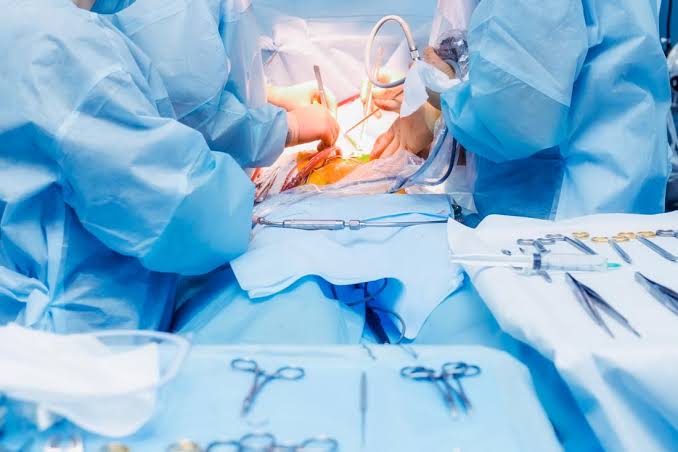
Medical technology has transformed the way surgeries are performed. One of the most significant advancements is laparoscopic surgery, also known as minimally invasive surgery or keyhole surgery. This modern surgical technique allows doctors to perform complex procedures through small incisions, offering numerous benefits over conventional open surgery.
Whether it is gallbladder removal, hernia repair, appendix surgery, gynecological procedures, or colorectal surgery, laparoscopic surgery has become the preferred option for many patients due to its safety, quicker recovery, and reduced discomfort.
In this article, we explain what laparoscopic surgery is, how it differs from traditional surgery, its advantages, possible risks, and when it may be the right choice for you.
What Is Laparoscopic Surgery?
Laparoscopic surgery is a minimally invasive surgical technique performed using a thin, flexible instrument called a laparoscope. The laparoscope has a high-definition camera and light source that allow the surgeon to view the internal organs on a monitor in real time.
Instead of making one large incision, the surgeon creates 2 to 4 small incisions, usually measuring 0.5 to 1 cm. Specialized surgical instruments are inserted through these openings to perform the procedure with precision.
Because the incisions are much smaller than those used in traditional surgery, patients generally experience less pain, fewer complications, and a faster recovery.
What Is Traditional Open Surgery?
Traditional surgery involves making a larger incision to provide direct access to the affected organ or tissue. Although open surgery is still necessary for certain complex conditions and emergencies, it often results in more tissue damage, greater postoperative pain, longer hospital stays, and a longer recovery period.
Both approaches are effective when used appropriately, and the choice depends on the patient’s condition, overall health, and the surgeon’s recommendation.
How Does Laparoscopic Surgery Work?
The procedure typically involves the following steps:
- The patient is given general anesthesia.
- Small incisions are made in the abdomen.
- Carbon dioxide gas is used to gently inflate the abdomen, creating space for better visibility.
- A laparoscope is inserted through one incision.
- Specialized surgical instruments are inserted through the remaining incisions.
- The surgeon performs the operation while viewing magnified images on a monitor.
- After the procedure, the instruments are removed, the gas is released, and the small incisions are closed.
Major Benefits of Laparoscopic Surgery
1. Smaller Incisions
Unlike traditional surgery, laparoscopic procedures require only tiny cuts.
Benefits include:
- Minimal tissue damage
- Better cosmetic results
- Reduced scarring
- Faster wound healing
Small incisions are particularly beneficial for younger patients and those concerned about visible scars.
2. Less Pain After Surgery
Because muscles and tissues are disturbed less during laparoscopic surgery, patients usually experience significantly less postoperative pain.
As a result:
- Lower requirement for pain medications
- Greater comfort after surgery
- Earlier movement and walking
- Improved overall recovery
3. Faster Recovery
One of the biggest advantages of laparoscopic surgery is a shorter recovery period.
Most patients can:
- Walk within a few hours
- Resume light activities within a few days
- Return to work much sooner than after open surgery
- Recover completely in a shorter time
Recovery depends on the type of surgery and the individual’s health, but it is generally much quicker than traditional surgery.
4. Shorter Hospital Stay
Many laparoscopic procedures require only a one-day hospital stay, while some are even performed as day-care surgeries.
A shorter hospital stay offers several advantages:
- Lower treatment costs
- Reduced risk of hospital-acquired infections
- Greater comfort at home
- Faster return to normal life
5. Lower Risk of Infection
Smaller incisions reduce the exposure of internal organs to external contaminants.
This helps lower the chances of:
- Surgical site infections
- Wound complications
- Delayed healing
Maintaining proper wound care further reduces infection risk.
6. Minimal Blood Loss
Laparoscopic surgery causes less trauma to blood vessels, resulting in significantly reduced bleeding during the procedure.
This decreases the likelihood of:
- Blood transfusions
- Postoperative anemia
- Surgical complications
7. Reduced Scarring
Because the incisions are small, scars are usually minimal and often fade over time.
This is especially beneficial for patients undergoing abdominal or gynecological procedures.
8. Lower Risk of Hernia Formation
Large surgical incisions can weaken the abdominal wall, increasing the risk of incisional hernias.
Since laparoscopic surgery uses much smaller incisions, this risk is considerably lower.
9. Earlier Return to Daily Activities
Patients can usually resume:
- Walking
- Office work
- Driving (after medical clearance)
- Household activities
- Light exercise
This quicker return to daily life is one of the reasons many patients prefer laparoscopic surgery.
10. Better Surgical Precision
The laparoscope provides a magnified, high-definition view of the surgical area.
This enables surgeons to:
- Visualize delicate structures clearly
- Perform precise surgical movements
- Minimize injury to surrounding tissues
Enhanced visualization often contributes to improved surgical outcomes.
Common Conditions Treated with Laparoscopic Surgery
Laparoscopic surgery is widely used for a variety of medical conditions, including:
- Gallbladder stones (Cholecystectomy)
- Appendix removal (Appendectomy)
- Hernia repair
- Ovarian cyst removal
- Hysterectomy
- Endometriosis treatment
- Fibroid surgery
- Diagnostic laparoscopy
- Colon and rectal surgery
- Bariatric (weight-loss) surgery
- Kidney procedures
- Certain cancer surgeries
Your surgeon will determine whether laparoscopic surgery is suitable based on your medical condition.
Laparoscopic Surgery vs Traditional Surgery
| Feature | Laparoscopic Surgery | Traditional Surgery |
|---|---|---|
| Incision Size | Small (0.5–1 cm) | Large incision |
| Pain | Less | More |
| Blood Loss | Minimal | Higher |
| Scarring | Minimal | More noticeable |
| Recovery Time | Faster | Longer |
| Hospital Stay | Short | Longer |
| Infection Risk | Lower | Higher |
| Return to Work | Earlier | Delayed |
Are There Any Risks?
Like all surgical procedures, laparoscopic surgery carries some risks, although serious complications are uncommon.
Possible risks include:
- Bleeding
- Infection
- Injury to nearby organs
- Blood clots
- Anesthesia-related complications
- Rare need to convert to open surgery if unexpected findings arise
An experienced surgical team helps minimize these risks.
Who Is a Suitable Candidate?
Laparoscopic surgery may be recommended for patients who:
- Require elective abdominal surgery
- Have gallstones or appendicitis
- Need hernia repair
- Have gynecological conditions such as ovarian cysts or fibroids
- Are medically fit for general anesthesia
However, patients with extensive scar tissue from previous surgeries, severe infections, or certain advanced diseases may require traditional open surgery.
Tips for a Smooth Recovery
To support healing after laparoscopic surgery:
- Follow your surgeon’s instructions carefully.
- Keep the incision sites clean and dry.
- Take prescribed medications as directed.
- Stay hydrated and eat a balanced diet.
- Walk regularly to improve circulation.
- Avoid lifting heavy objects until cleared by your doctor.
- Attend all follow-up appointments.
Conclusion
Laparoscopic surgery has transformed modern healthcare by offering patients a safer, less invasive alternative to traditional open surgery. With smaller incisions, reduced pain, quicker recovery, minimal scarring, and shorter hospital stays, it has become the preferred treatment option for many surgical conditions.
However, every patient is unique. The most suitable surgical approach depends on the nature of the condition, overall health, and the surgeon’s clinical judgment. Consulting an experienced surgeon is the best way to understand your treatment options and choose the procedure that offers the safest and most effective outcome.
If you have been advised to undergo surgery or are experiencing symptoms that may require surgical evaluation, schedule a consultation with a qualified healthcare professional. Early diagnosis and timely treatment can help ensure the best possible recovery and long-term health.