
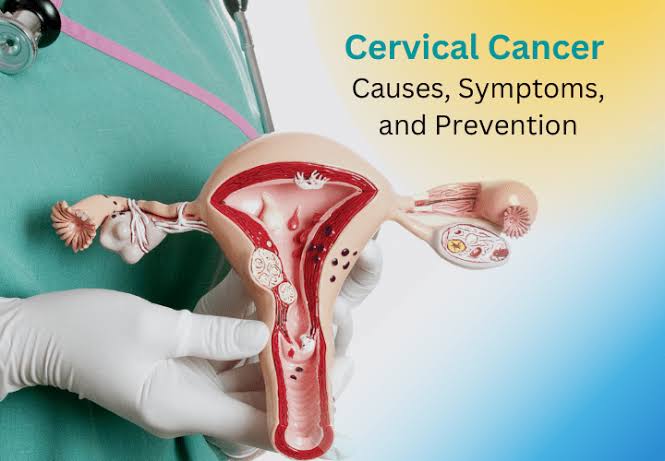
Cervical cancer is one of the most common cancers affecting women, but it is also one of the most preventable. With regular screening, timely vaccination, and early treatment, the chances of successful recovery are significantly improved.
In India, many women are diagnosed with cervical cancer at an advanced stage because early symptoms are often mild or unnoticed. Raising awareness about the disease and encouraging regular health check-ups can help save lives.
At Priya Hospital, Varanasi, our experienced gynecologists provide comprehensive women’s healthcare, including cervical cancer screening, diagnosis, preventive care, and personalized treatment guidance. We encourage women to prioritize regular gynecological examinations for early detection and better health outcomes.
What Is Cervical Cancer?
Cervical cancer develops in the cervix, which is the lower part of the uterus that connects to the vagina. It usually begins with abnormal changes in the cervical cells. If these changes are not detected and treated early, they may gradually develop into cancer over several years.
Most cases of cervical cancer are associated with long-term infection by certain high-risk types of the Human Papillomavirus (HPV), a common virus that spreads through intimate skin-to-skin contact.
The good news is that cervical cancer often develops slowly, giving healthcare providers the opportunity to detect and treat abnormal cells before cancer develops.
What Causes Cervical Cancer?
The primary cause of cervical cancer is a persistent infection with high-risk HPV strains. While HPV infection is common, not every infection leads to cancer. In many individuals, the immune system naturally clears the virus. Problems arise when the infection persists over time.
Other factors can increase the likelihood of developing cervical cancer, including:
- Smoking
- A weakened immune system
- Long-term HPV infection
- Early onset of sexual activity
- Multiple sexual partners
- Lack of regular cervical screening
- Long-term use of certain hormonal contraceptives (discuss individual risks with your doctor)
- Family history of cervical cancer
Having one or more risk factors does not necessarily mean a woman will develop cervical cancer, but regular screening becomes even more important.
Common Symptoms of Cervical Cancer
In its early stages, cervical cancer may not cause any noticeable symptoms. As the disease progresses, symptoms may include:
- Unusual vaginal bleeding
- Bleeding after sexual intercourse
- Bleeding between menstrual periods
- Bleeding after menopause
- Persistent pelvic pain
- Pain during intercourse
- Foul-smelling or unusual vaginal discharge
- Lower back pain
- Unexplained fatigue
- Weight loss in advanced stages
These symptoms can also be caused by other medical conditions. However, if they persist, consult a gynecologist promptly for evaluation.
Who Is at Higher Risk?
Women may have a higher risk of cervical cancer if they:
- Have persistent HPV infection
- Smoke cigarettes or use tobacco products
- Have a weakened immune system
- Have never undergone cervical screening
- Have a history of sexually transmitted infections
- Have a family history of cervical cancer
Regular check-ups can help identify abnormal changes before they become serious.
Importance of HPV Vaccination
One of the most effective ways to prevent cervical cancer is HPV vaccination.
The vaccine protects against several high-risk HPV types responsible for most cervical cancer cases. It is most effective when given before exposure to the virus, but adults may also benefit depending on their age and medical history.
Parents should discuss HPV vaccination with their healthcare provider for eligible adolescents, and adults can consult a doctor to understand whether vaccination is appropriate for them.
Cervical Cancer Screening Saves Lives
Routine screening can detect abnormal cervical cells before they become cancerous.
Common screening methods include:
Pap Smear (Pap Test)
A Pap smear collects a small sample of cells from the cervix to identify abnormal changes.
HPV Test
This test checks for the presence of high-risk HPV types that may increase the risk of cervical cancer.
Your gynecologist will recommend the appropriate screening schedule based on your age, medical history, and individual risk factors.
How Is Cervical Cancer Diagnosed?
If screening results are abnormal or symptoms are concerning, additional tests may be recommended.
These may include:
- Colposcopy (a detailed examination of the cervix)
- Cervical biopsy
- Imaging studies such as ultrasound, CT scan, or MRI (when clinically indicated)
- Blood tests as part of the overall evaluation
Early diagnosis improves treatment options and outcomes.
Treatment Options
Treatment depends on the stage of the disease, the patient’s overall health, and future fertility considerations.
Common treatment approaches include:
Surgery
Surgery may be recommended for early-stage cervical cancer to remove abnormal tissue or the affected area.
Radiation Therapy
Radiation uses high-energy beams to destroy cancer cells and may be used alone or in combination with other treatments.
Chemotherapy
Chemotherapy uses medications to kill cancer cells and may be recommended for more advanced stages or alongside radiation.
Targeted and Specialized Treatments
Some patients may benefit from advanced therapies depending on the specific characteristics of the cancer. Your oncology team will discuss the most appropriate options if needed.
Treatment plans are personalized to achieve the best possible outcomes while considering the patient’s overall well-being.
Can Cervical Cancer Be Prevented?
Although not every case can be prevented, the risk can be significantly reduced by following these preventive measures:
- Receive the HPV vaccine if eligible.
- Attend regular cervical screening appointments.
- Avoid smoking.
- Practice safer sexual health habits.
- Maintain a healthy lifestyle with balanced nutrition and regular exercise.
- Seek medical advice promptly if unusual symptoms develop.
Prevention and early detection remain the most effective tools against cervical cancer.
Why Regular Gynecological Check-ups Matter
Many women avoid gynecological visits because they have no symptoms. However, cervical cancer often develops silently.
Routine examinations help:
- Detect abnormal cervical changes early
- Identify infections requiring treatment
- Monitor reproductive health
- Provide preventive healthcare guidance
- Reduce the risk of advanced disease
Annual or doctor-recommended gynecological check-ups are an important part of women’s healthcare.
Why Choose Priya Hospital, Varanasi?
Women deserve access to compassionate and high-quality healthcare.
At Priya Hospital, Varanasi, we provide:
- Experienced gynecologists
- Women’s preventive healthcare services
- Cervical cancer screening
- Modern diagnostic facilities
- Personalized treatment planning
- Patient education and counseling
- Comprehensive women’s healthcare under one roof
Our focus is on early diagnosis, preventive care, and supporting women through every stage of life.