
Skin allergies are one of the most common dermatological conditions affecting people of all ages. They can appear suddenly or develop over time due to contact with allergens, environmental changes, food, medications, or underlying health conditions. Although many skin allergies are mild, some can become severe if left untreated.
The weather conditions in Varanasi, including high temperatures, humidity during the monsoon season, dust, and pollution, can trigger or worsen skin allergies in many individuals. Early diagnosis and proper treatment are essential to prevent complications and improve quality of life.
At Priya Hospital, Varanasi, our dermatology specialists provide comprehensive evaluation and personalized treatment for various skin allergies, helping patients regain healthy and comfortable skin.
What Is a Skin Allergy?
A skin allergy occurs when the body’s immune system reacts to a substance that is normally harmless. These substances, known as allergens, trigger inflammation in the skin, leading to itching, redness, swelling, or rashes.
Some allergic reactions disappear within a few hours, while others may persist for days or even become chronic if the underlying cause is not identified.
Common Types of Skin Allergies
Understanding the type of allergy helps doctors choose the most effective treatment.
1. Contact Dermatitis
This occurs when the skin comes into direct contact with an allergen or irritant.
Common triggers include:
- Cosmetics
- Hair dyes
- Perfumes
- Detergents
- Soaps
- Nickel jewelry
- Rubber products
- Cleaning chemicals
Symptoms usually appear at the site of contact.
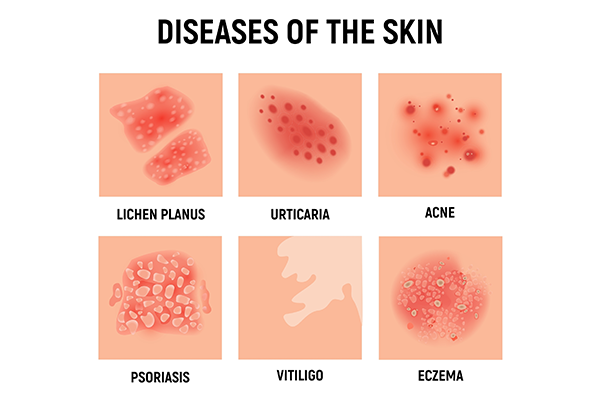
2. Eczema (Atopic Dermatitis)
Eczema is a chronic skin condition that causes inflammation, itching, and dryness.
It commonly affects:
- Children
- Teenagers
- Adults with a family history of allergies or asthma
The condition may flare up due to weather changes, stress, certain fabrics, or allergens.
3. Hives (Urticaria)
Hives are raised, itchy, red or skin-colored welts that appear suddenly.
They may be triggered by:
- Foods
- Medicines
- Insect bites
- Viral infections
- Heat or cold
- Emotional stress
Most hives disappear within 24 hours, but recurrent episodes require medical evaluation.
4. Drug Allergies
Some medications can cause allergic skin reactions ranging from mild rashes to severe conditions requiring immediate medical attention.
Never stop prescribed medication without consulting your doctor.
Common Causes of Skin Allergies
Skin allergies can result from a variety of triggers.
Some of the most common causes include:
- Dust and dust mites
- Pollen
- Air pollution
- Pet dander
- Insect bites
- Certain foods
- Medicines
- Cosmetics and skincare products
- Metals such as nickel
- Latex
- Strong soaps and detergents
- Fungal or bacterial infections
- Excessive sweating
- Seasonal weather changes
In cities like Varanasi, increased exposure to dust, pollution, and humidity can contribute to frequent skin irritation in sensitive individuals.
Symptoms of Skin Allergies
The symptoms vary depending on the type and severity of the allergy.
Common signs include:
- Redness
- Itching
- Skin rash
- Swelling
- Dry or flaky skin
- Burning sensation
- Small bumps
- Blisters
- Cracked skin
- Peeling skin
- Skin thickening due to repeated scratching
If symptoms spread rapidly or are associated with breathing difficulty, swelling of the face, or dizziness, seek emergency medical care immediately.
Who Is at Greater Risk?
Anyone can develop a skin allergy, but the risk is higher in people who:
- Have a family history of allergies
- Have asthma or allergic rhinitis
- Have sensitive skin
- Work with chemicals or cleaning products
- Frequently use cosmetic products
- Live in highly polluted environments
- Sweat excessively
- Have weakened immunity
How Are Skin Allergies Diagnosed?
A dermatologist begins by reviewing your medical history and examining the affected skin.
Depending on your symptoms, your doctor may recommend:
- Physical examination
- Allergy history assessment
- Patch testing
- Blood tests (when indicated)
- Skin biopsy (for selected cases)
Accurate diagnosis helps identify the specific trigger and guides effective treatment.
Treatment Options for Skin Allergies
Treatment depends on the underlying cause, severity of symptoms, and the patient’s overall health.
Avoiding the Trigger
The first step is identifying and avoiding the allergen whenever possible.
For example:
- Change skincare products if they cause irritation.
- Wear protective gloves while handling chemicals.
- Avoid known food allergens.
- Use fragrance-free moisturizers and soaps.
Medications
Doctors may prescribe medications such as:
- Antihistamines to relieve itching
- Topical creams or ointments to reduce inflammation
- Moisturizers to repair the skin barrier
- Other prescription medicines when necessary
Always use medications exactly as prescribed by your healthcare provider.
Skin Care
Proper skin care supports faster healing.
Recommendations include:
- Use mild cleansers.
- Avoid hot water baths.
- Moisturize regularly.
- Wear loose cotton clothing.
- Keep nails trimmed to reduce damage from scratching.
Home Care Tips
Simple daily habits can help reduce flare-ups.
- Drink plenty of water.
- Avoid scratching the affected area.
- Use gentle skincare products.
- Wash clothes with mild detergents.
- Keep your home free from dust.
- Shower after returning from dusty environments.
- Manage stress through relaxation techniques.
- Eat a balanced diet rich in fruits and vegetables.
Can Skin Allergies Be Prevented?
Although not every allergy can be prevented, you can reduce your risk by:
- Identifying personal allergy triggers
- Maintaining good skin hygiene
- Moisturizing your skin daily
- Avoiding harsh chemicals
- Wearing sunscreen when outdoors
- Using protective clothing in dusty areas
- Choosing dermatologist-tested skincare products
- Seeking early treatment for recurring rashes
When Should You See a Dermatologist?
Consult a dermatologist if you experience:
- Persistent itching lasting more than a few days
- Recurrent skin rashes
- Swelling that does not improve
- Skin infections due to scratching
- Severe redness or blistering
- Allergy symptoms affecting your daily activities
- Frequent unexplained allergic reactions
Early diagnosis helps prevent complications and provides long-term relief.
Why Choose Priya Hospital, Varanasi?
If you are looking for reliable treatment for skin allergies in Varanasi, Priya Hospital offers comprehensive dermatology care with a patient-first approach.
Our services include:
- Consultation with experienced dermatologists
- Evaluation of acute and chronic skin allergies
- Advanced diagnostic support
- Personalized treatment plans
- Patient education on allergy prevention
- Follow-up care for long-term skin health
Our goal is to help patients identify the cause of their skin allergy and provide effective treatment that improves both comfort and quality of life.